Fora Home
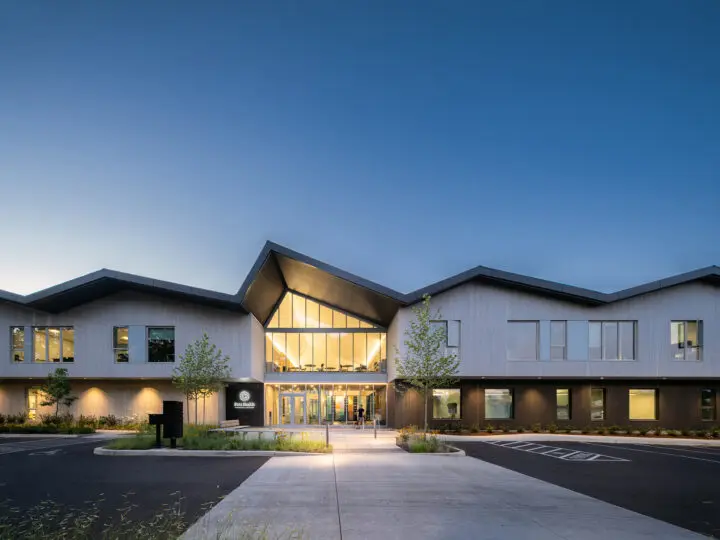
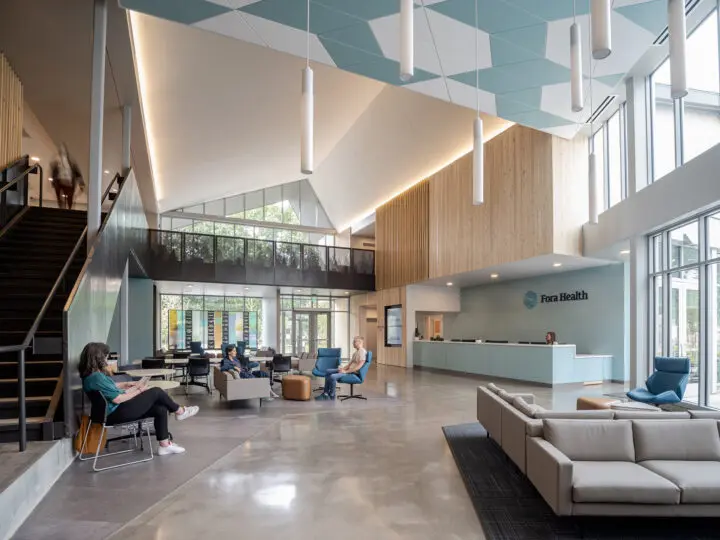
A 46-bed transitional housing building, Fora Home will provide behavioral health and addiction recovery support adjacent to Fora Health’s headquarters.
Project Details
Location
Portland, OR
Client
Fora Health
Year Completed
Anticipated 2026
Project Size
17,876 sq. ft.
46 beds
Sustainability
To increase the building’s sustainability, Fora Home was awarded a Portland Clean Energy Community Benefits Fund (PCEF) grant, enabling the team to design an enhanced building envelope, integrate a more efficient HVAC system, PV solar, and EV charging stations.
Land Recognition
We have a responsibility to not only acknowledge but also elevate Native communities and their needs. This project sits in the area currently known as Portland, which encompasses the traditional village sites of the Multnomah, Wasco, Cowlitz, Kathlamet, Clackamas, Bands of Chinook, Tualatin Kalapuya, Molalla, and many other tribes who made their homes along the Columbia River.
Educating ourselves is an important action. We encourage you to explore the stories of these communities through Native-led resources like David G. Lewis, PhD’s The Quartux Journal and Leading with Tradition.
Seeking Treatment Services?
If you are seeking treatment services, please contact the provider.
Fora Health
Phone: 503.535.1151
Website: forahealth.org/get-help
Address: 10230 SE Cherry Blossom Dr., Portland, OR 97216
Support Towards Long-Term Recovery
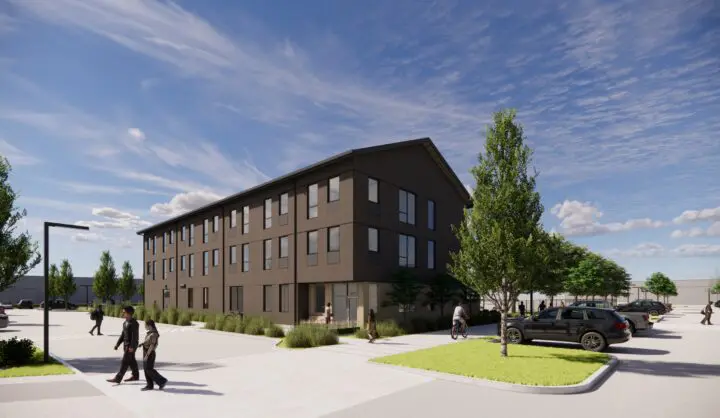
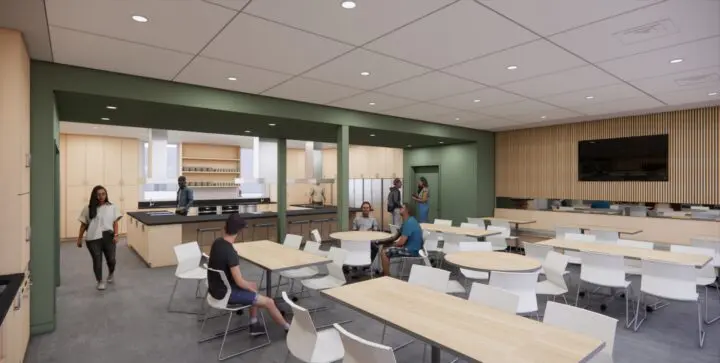
Adjacent to Fora Health, Fora Home will be a three-story transitional housing building where individuals who have gone through inpatient residential treatment can access stable housing while receiving ongoing addiction recovery treatment. Residents will live here for four to six months while continuing their outpatient treatment and will have access to community resources. It will be a critical step in supporting long-term recovery by providing safety and stability.
Safe & Comfortable Housing
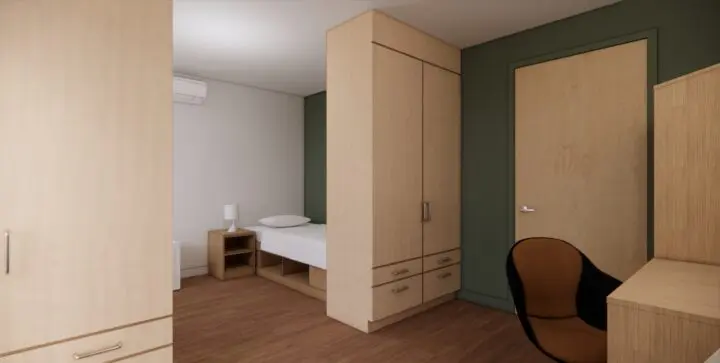
The building houses 46 beds across 23 dorm rooms, designed to give residents a sense of privacy by separating the sleeping and living areas.
Resident restrooms are all intentionally single-user to protect individuals’ privacy and help those with non-binary identities feel safe.
With stable housing and access to clinical care, peer support, and community resources, individuals can build stronger foundations for their futures and successfully reintegrate into the community.— Devarshi Bajpai, Fora Health CEO
Spaces That Foster Community
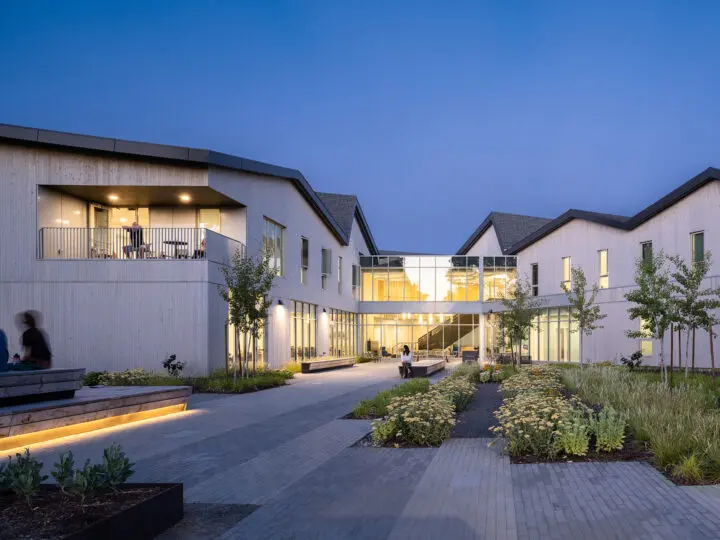
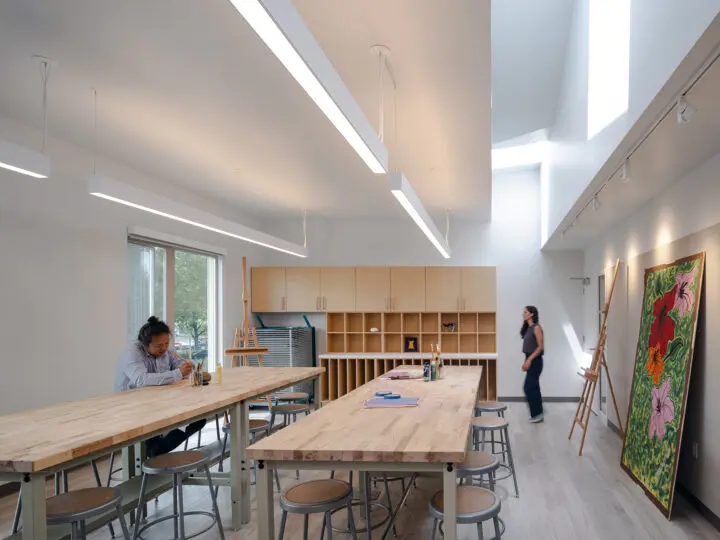
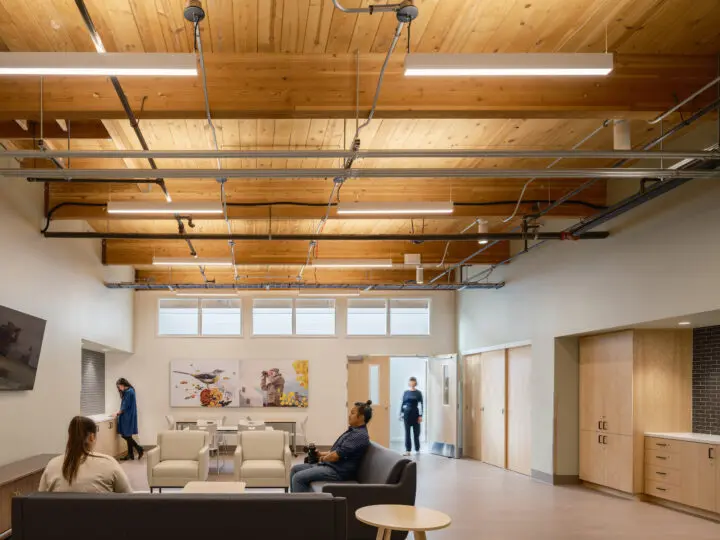
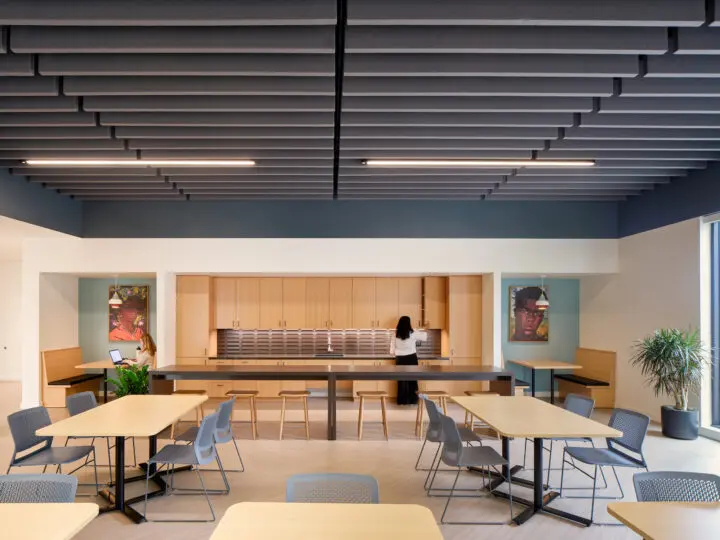
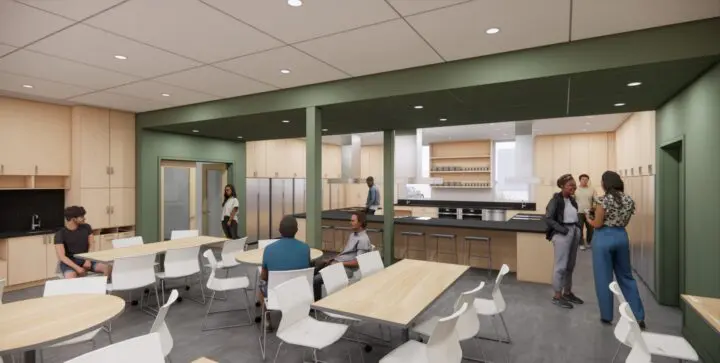
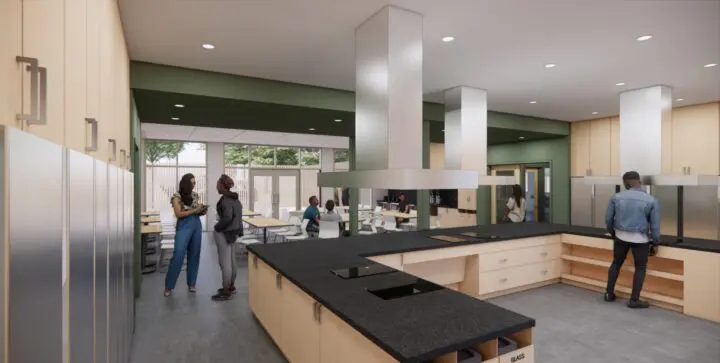
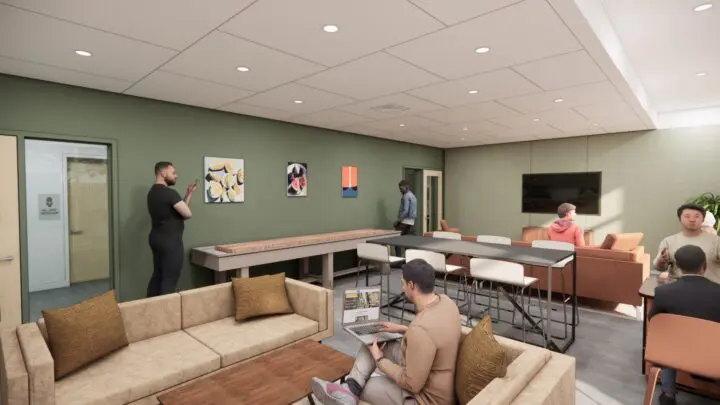
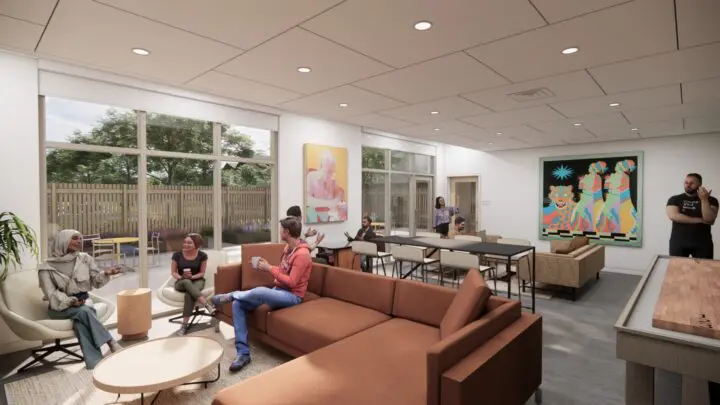
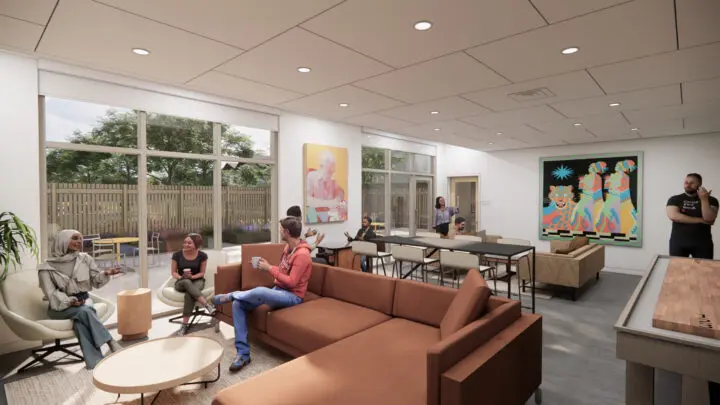
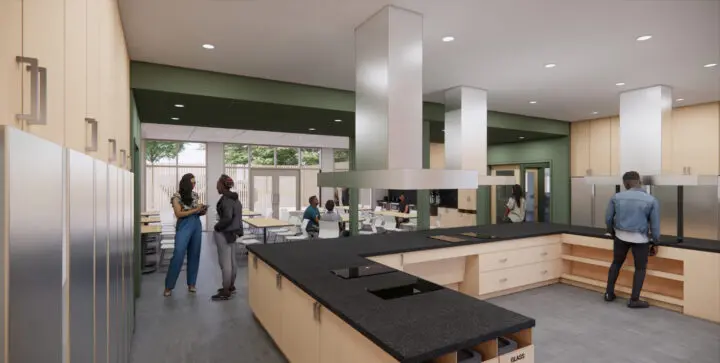
In addition to the dorms, Fora Home also houses communal spaces, including a kitchen, a dining room, a lounge, a small library that serves dual function as a quiet room, and a courtyard. The kitchen and dining area were designed to be functional for a variety of uses.
The kitchen will provide residents with personal cold storage and pantry storage, as well as access to shared cooking supplies. The large island is designed to host cooking classes in addition to serving as a shared cooking space. The dining room can accommodate small gatherings or all residents and staff for occasional house meetings. A large TV is provided for movie nights or hosting other group activities.
Trauma-Informed Design Inside & Out
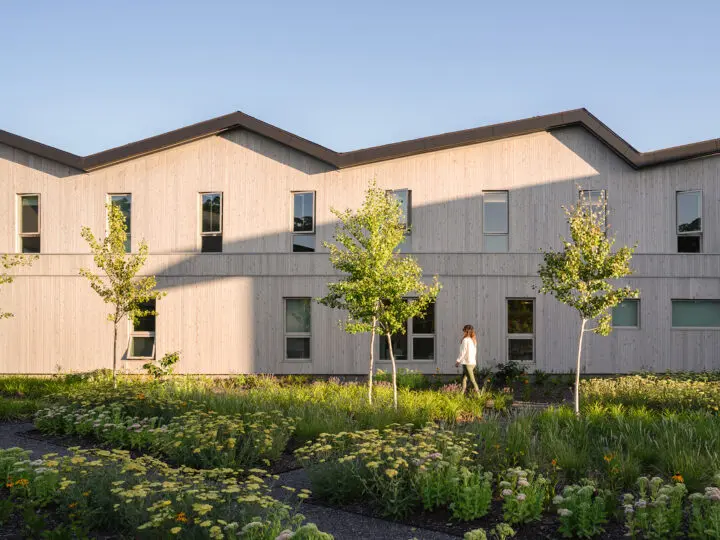
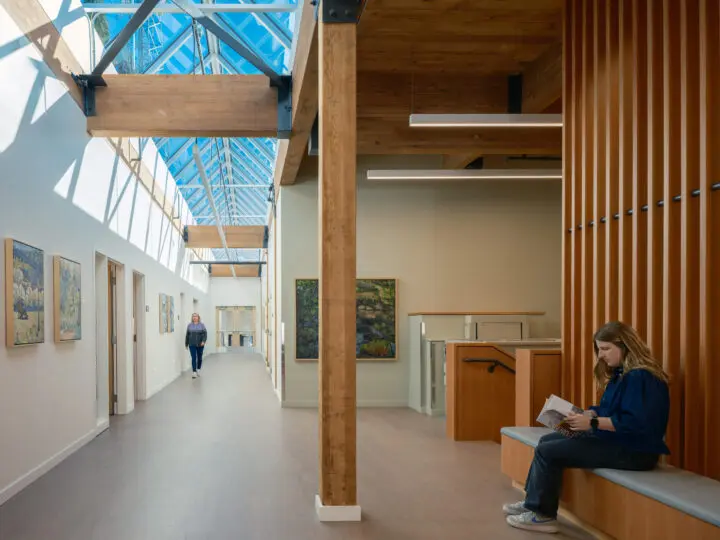
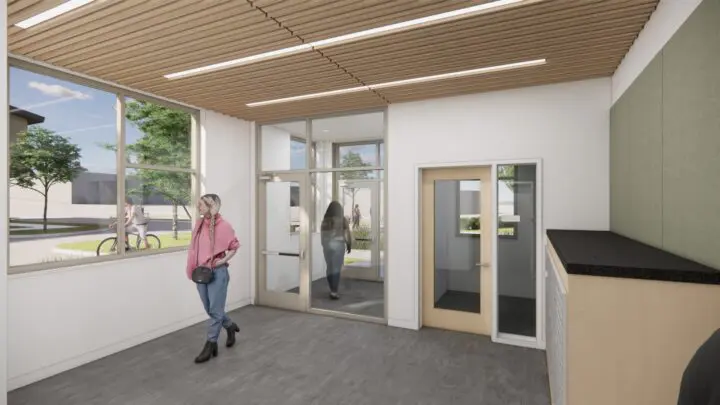
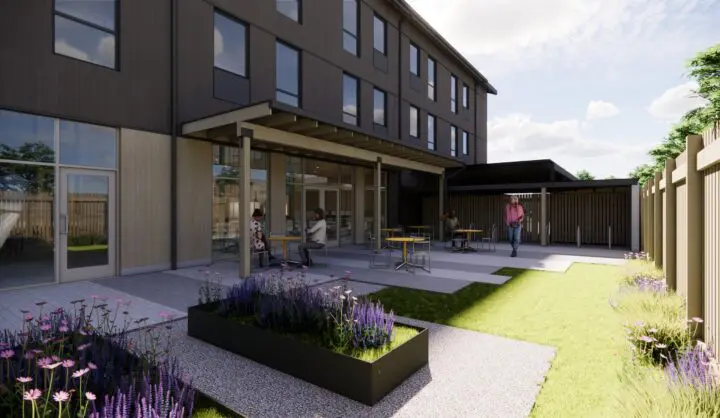
Designed from the inside out, the building integrates trauma-informed design principles throughout. A simple interior material palette is accented with color in circulation spaces, and acoustic wood or fabric panels create focal points. Windows are placed in a quiet rhythm, providing ample natural light throughout.
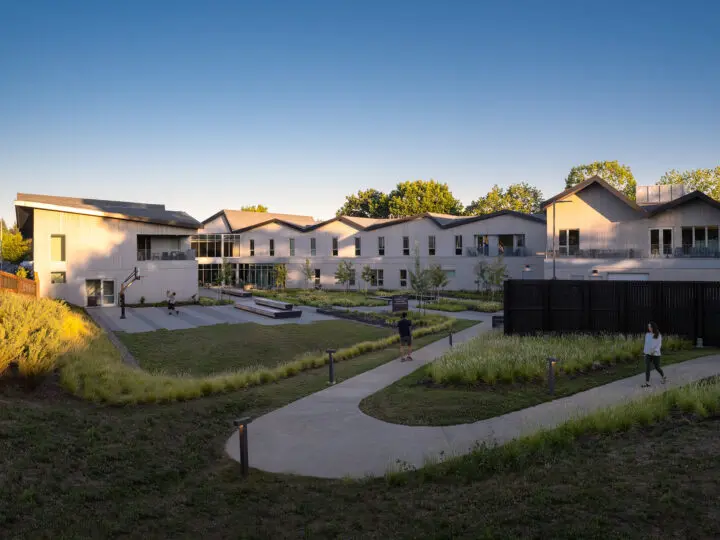
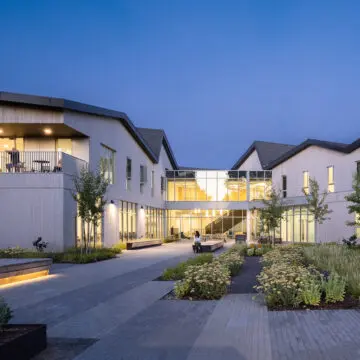
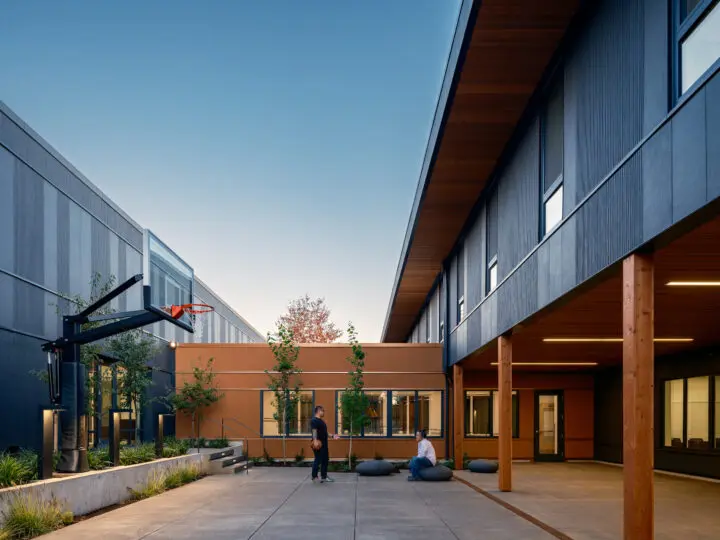
The courtyard serves as an extension of the dining room, with covered seating for dining, gathering, resting, and more. Over the course of many conversations with staff and peers, emphasis was placed on the healing power of growing plants as a metaphor for personal growth, and this courtyard provides that significant space, featuring garden beds for residents’ use.

Designing a Cohesive Campus
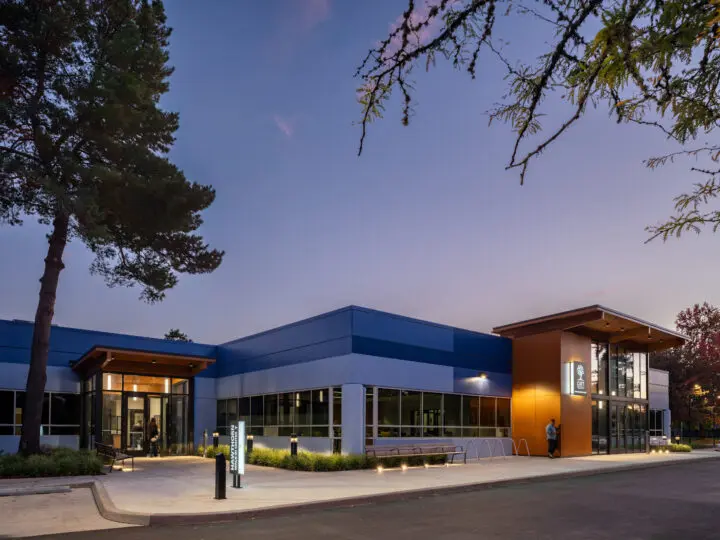
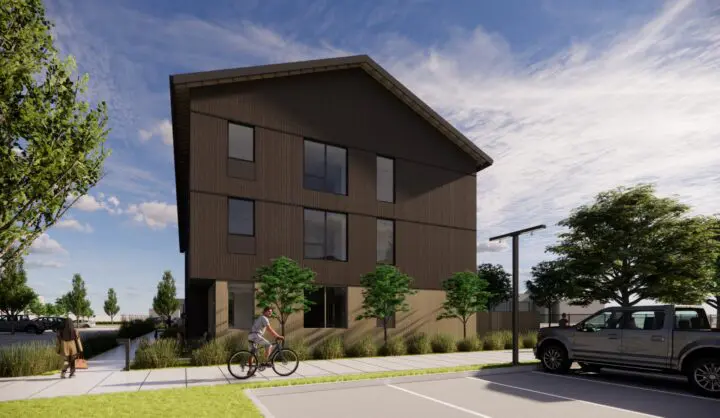
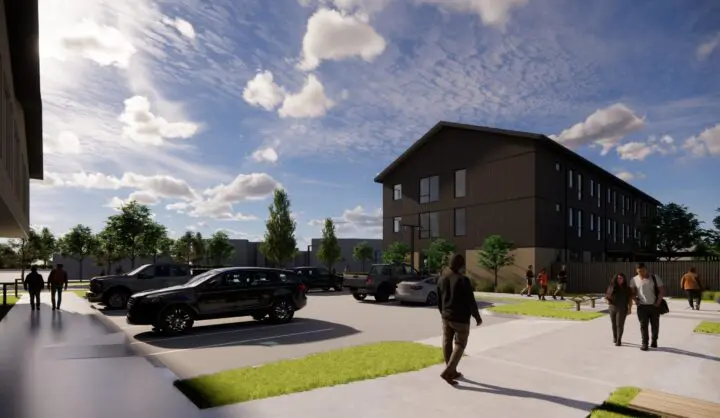
As an extension of the existing Fora Health headquarters, the building borrows the gable roof form and material palette of the adjacent building. The exterior wood finishes match, with a reverse color scheme on the new building to differentiate it from the treatment center.