The Peer Company Recovery Campus
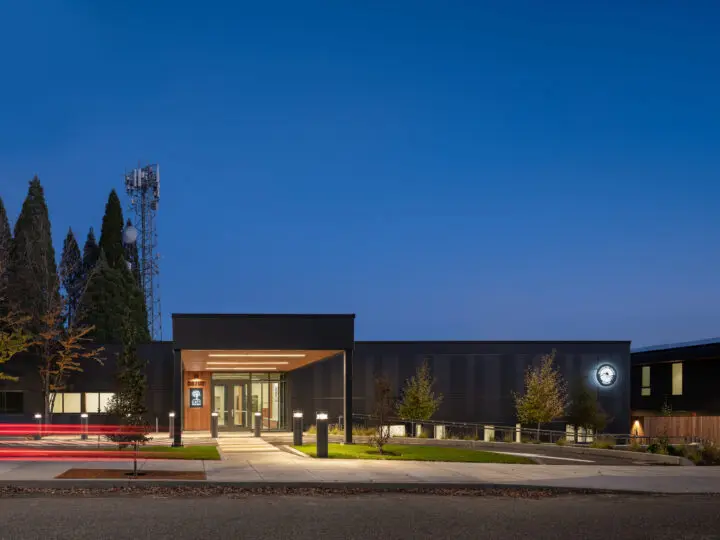
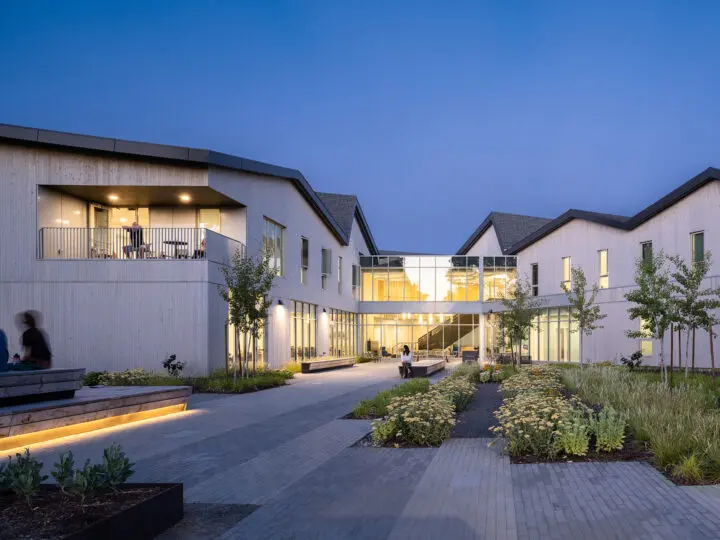
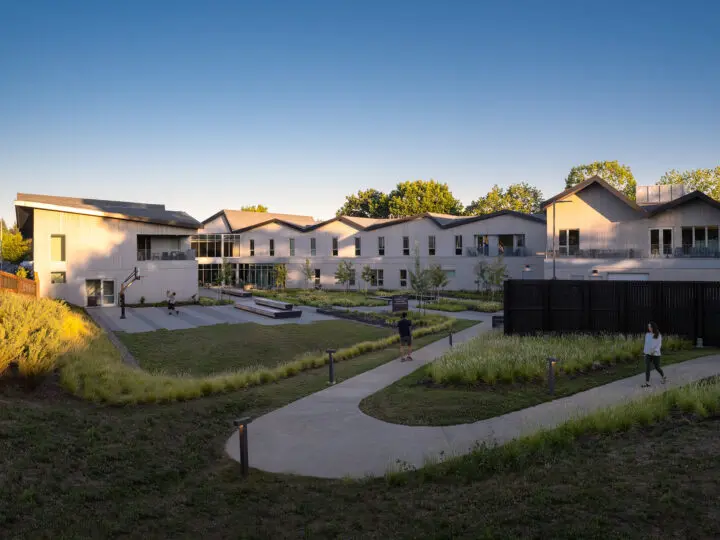
The Peer Company Recovery Campus was designed with intention, offering support services in a safe, trauma-informed environment to those experiencing mental health and addiction challenges.
Project Details
Location
Portland, OR
Client
The Peer Company
Year Completed
2024
Project Size
10,105 sq. ft.
Land Recognition
We have a responsibility to not only acknowledge but also elevate Native communities and their needs. This project sits in the area currently known as Portland, which encompasses the traditional village sites of the Multnomah, Wasco, Cowlitz, Kathlamet, Clackamas, Bands of Chinook, Tualatin Kalapuya, Molalla, and many other tribes who made their homes along the Columbia River.
Educating ourselves is an important action. We encourage you to explore the stories of these communities through Native-led resources like David G. Lewis, PhD’s The Quartux Journal and Leading with Tradition.
Supporting Recovery
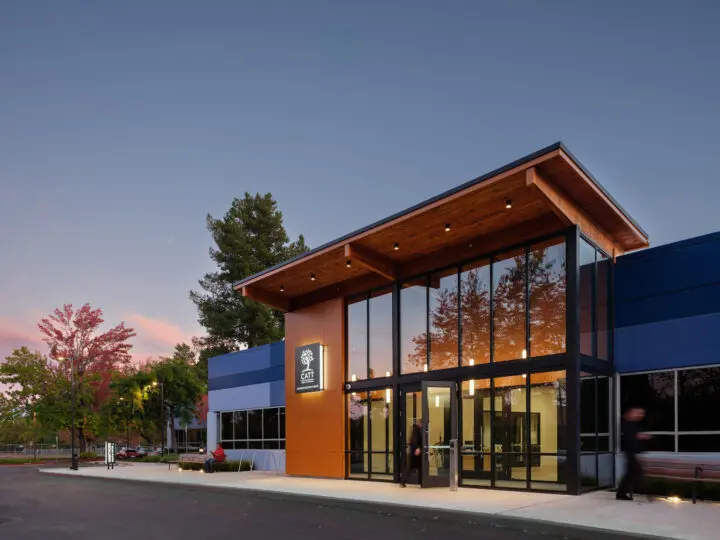
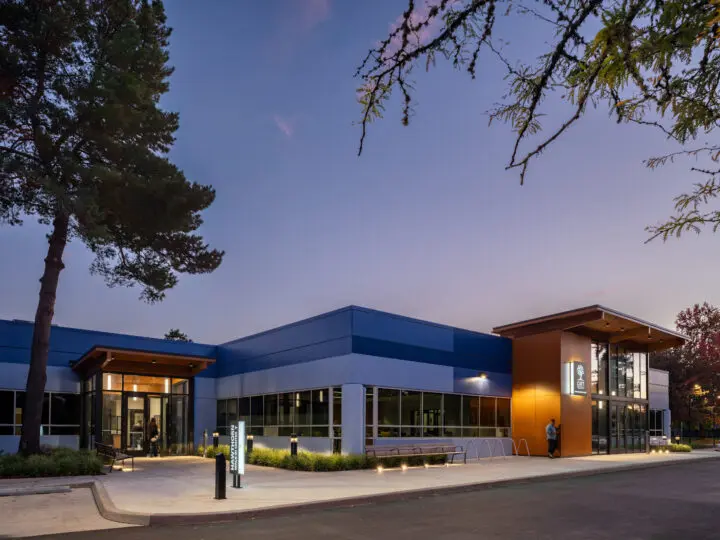
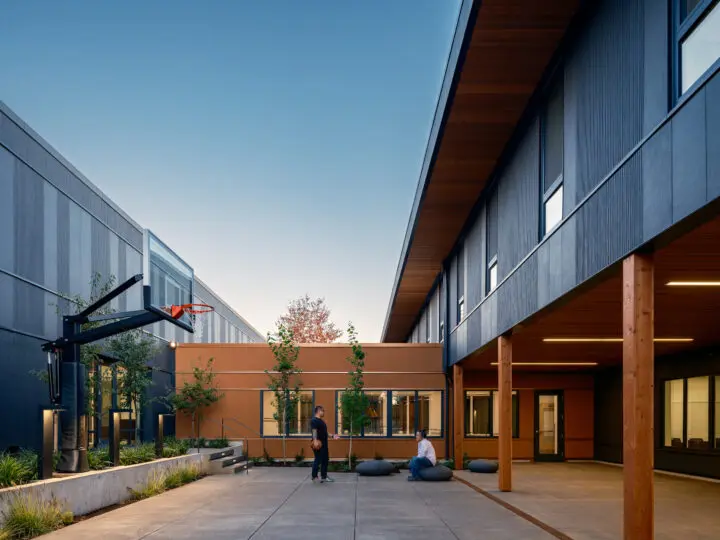
The Peer Company (formerly the Mental Health & Addiction Association of Oregon) is an inclusive, peer-run organization that supports the recovery goals of individuals, including entering treatment, securing housing, or finding employment. Located in Portland’s Lents neighborhood, the Recovery Campus renovated an existing medical office building to a space that provides valuable resources to the historically underserved community.

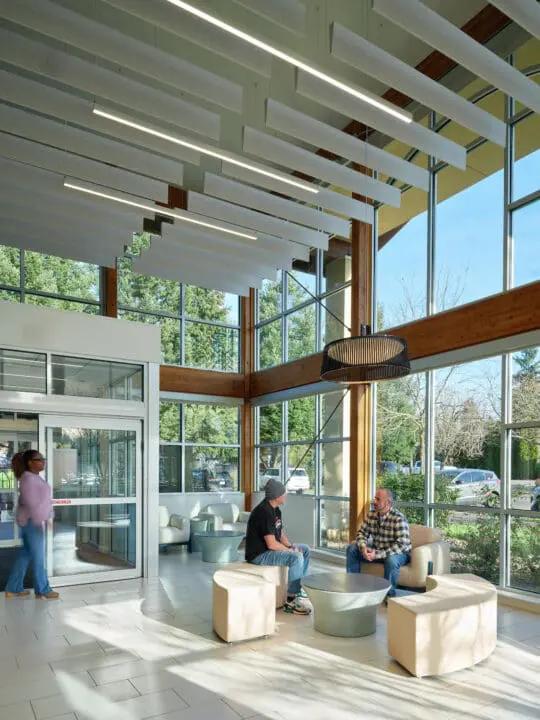
A Welcoming Entrance
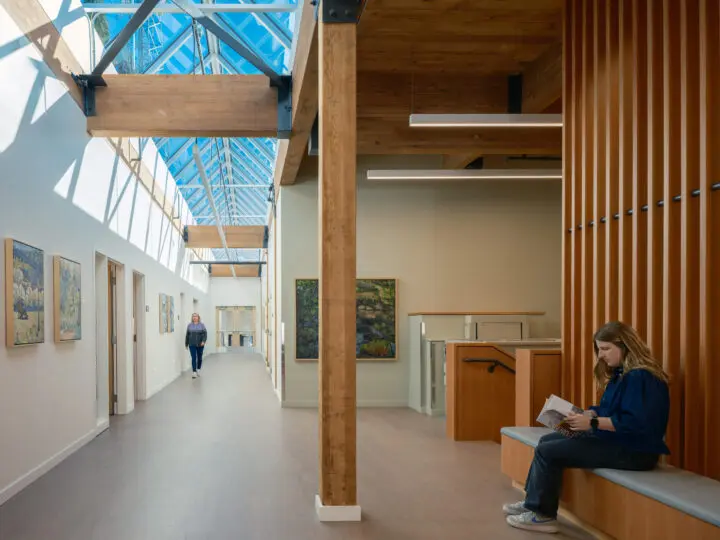
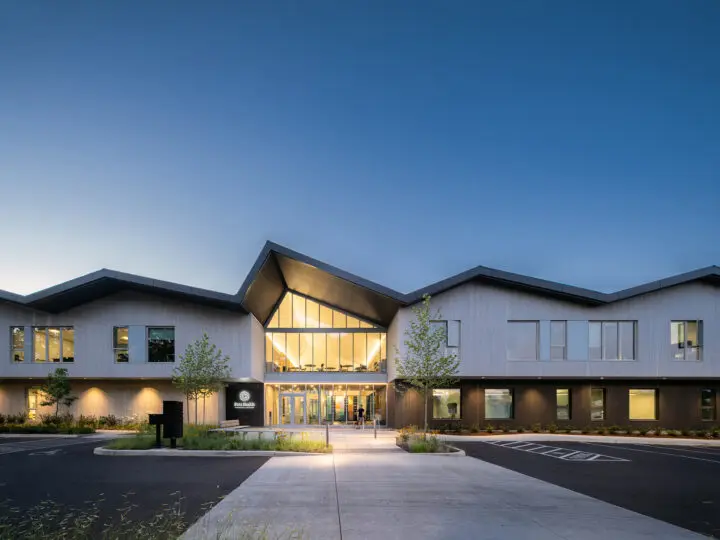
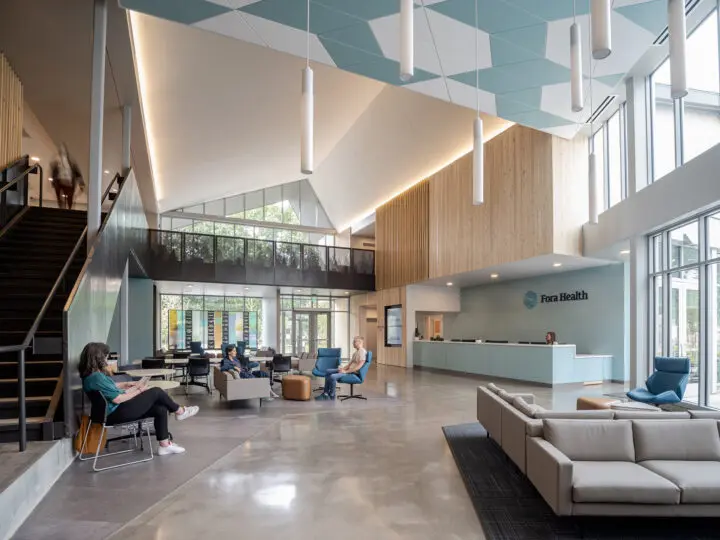
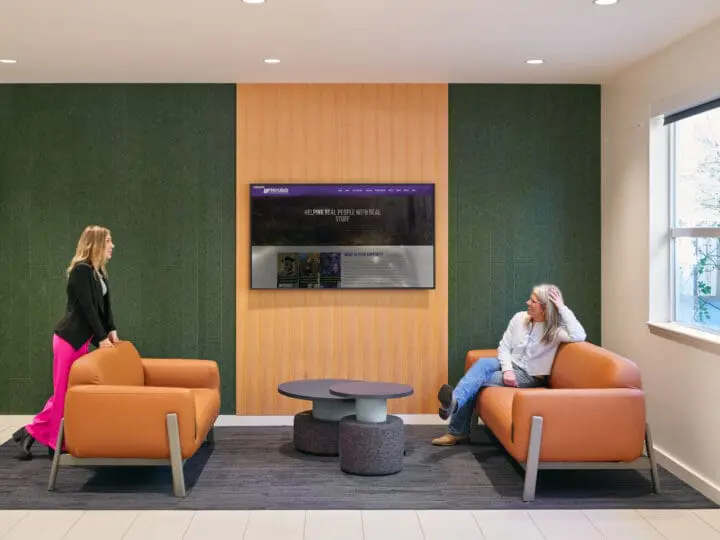
The building’s lobby serves as a convergence point and transition space for staff, peers, and community members. A reception desk anchors that space, controlling flow to the other areas of the recovery center, including The Peer Company offices. The bright, airy space features double-height windows that provide ample natural light and a nature-inspired color and material palette, creating a welcoming entrance.

Spaces for Healing
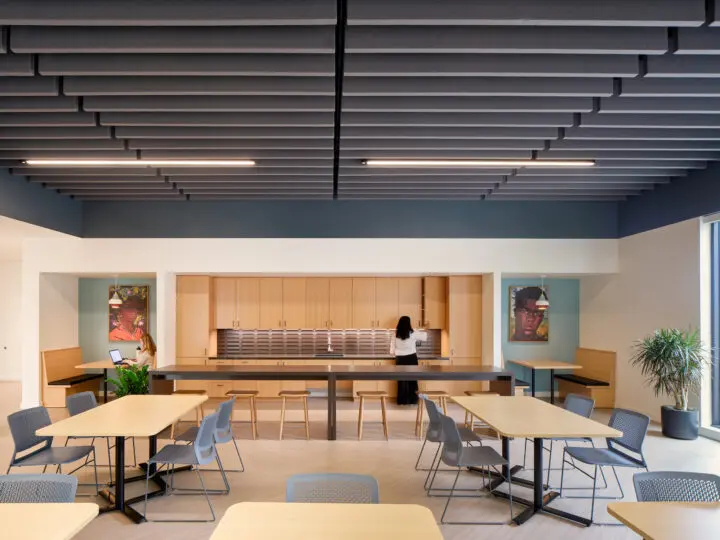
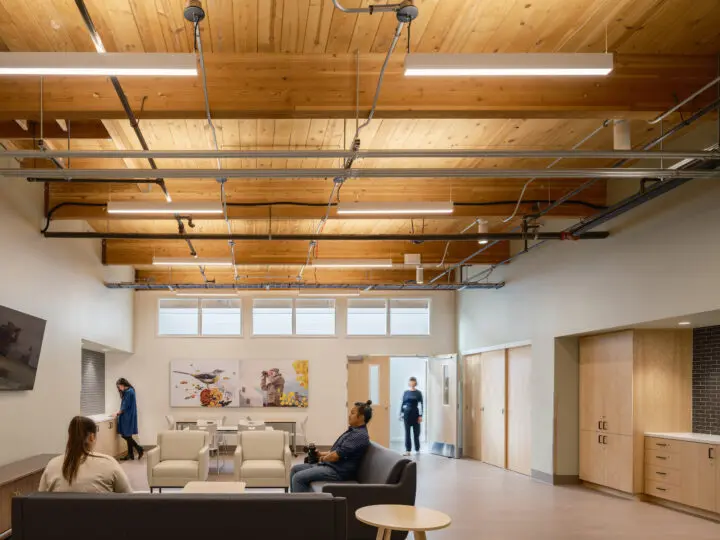
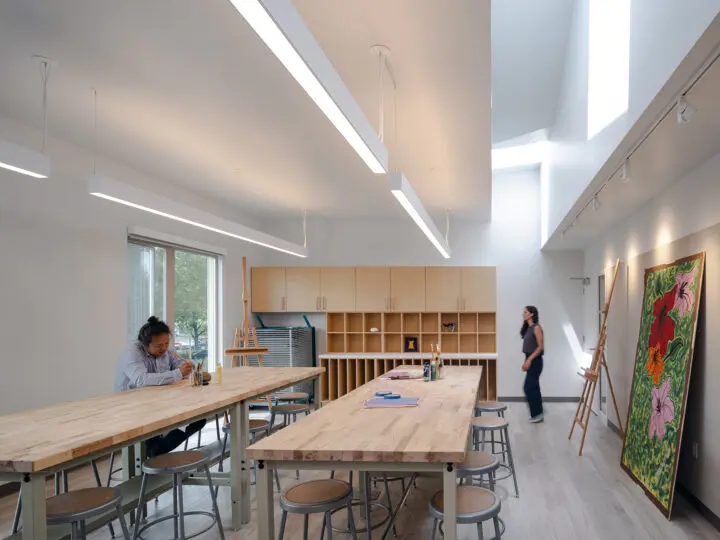
At the Recovery Campus, visitors can receive peer services, training, and technical assistance. Designed through a trauma-informed lens, the day center, triage room, wellness room, peer support space, and additional flexible spaces meet the organization’s evolving needs. The office also features a wellness room designed by KultureCity, a nonprofit dedicated to creating accessible sensory spaces.
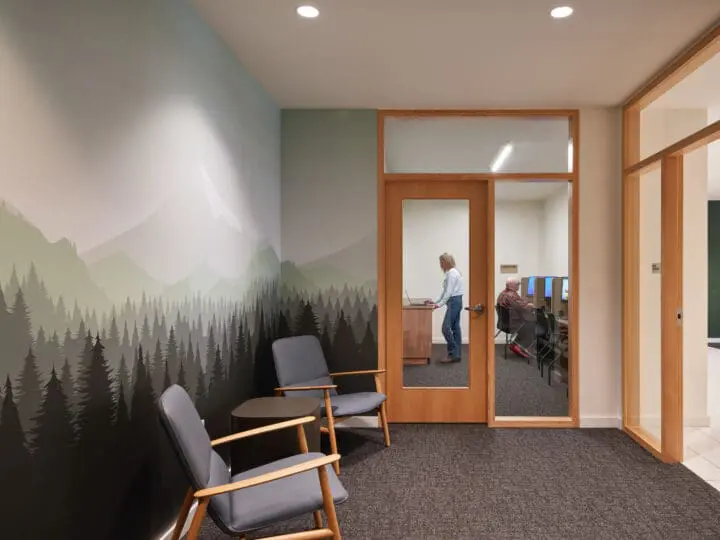
Trauma-Informed Design Elements
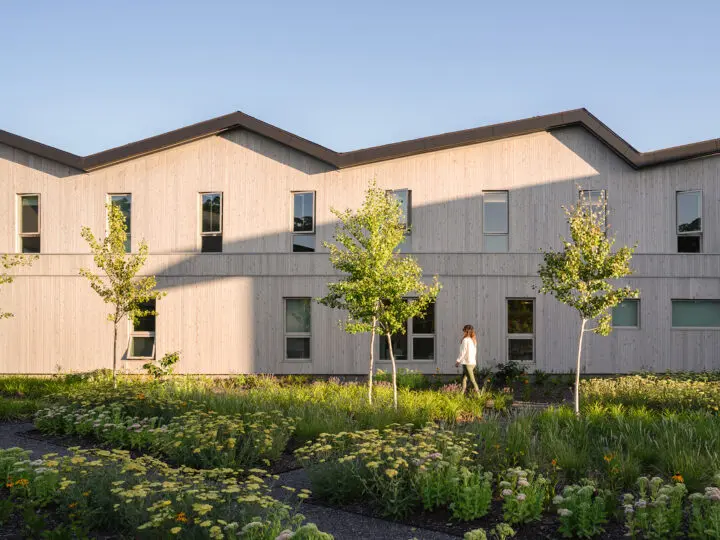
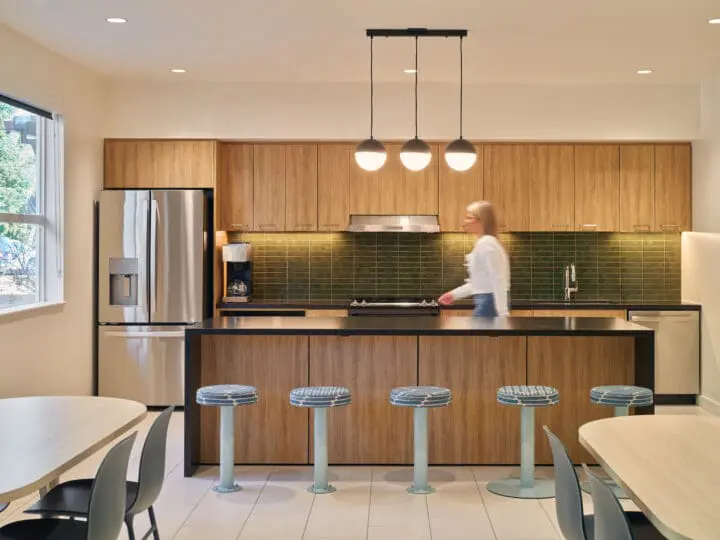
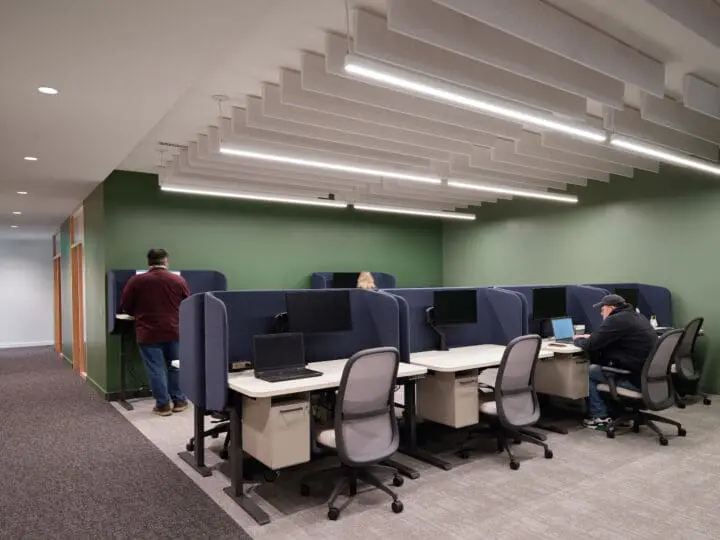
Local materials like Douglas Fir and cedar tones are grounding elements that create a warm and inviting atmosphere, deviating from the typical clinical feel often found in support service spaces. Layered spaces, multiple access points, and acoustic treatments and surfaces contribute to an inclusive environment.
The Recovery Campus will have a huge impact on both the lives of people and the livelihood of this community.— Janie Gullickson, Executive Director, The Peer Company